
· by Michael Blair, Nashville's Junk Removal
Getting usable things out of the disposal pile is worth the effort, and it has limits. The EPA’s recycling basics page puts reuse ahead of recycling: products should only be recycled if they cannot be reduced or reused. Our view is that the same order applies to a cleanout, with one catch. Giving a charity something it cannot sell only hands the disposal job to an organization with less money than you.
What do charities generally accept?
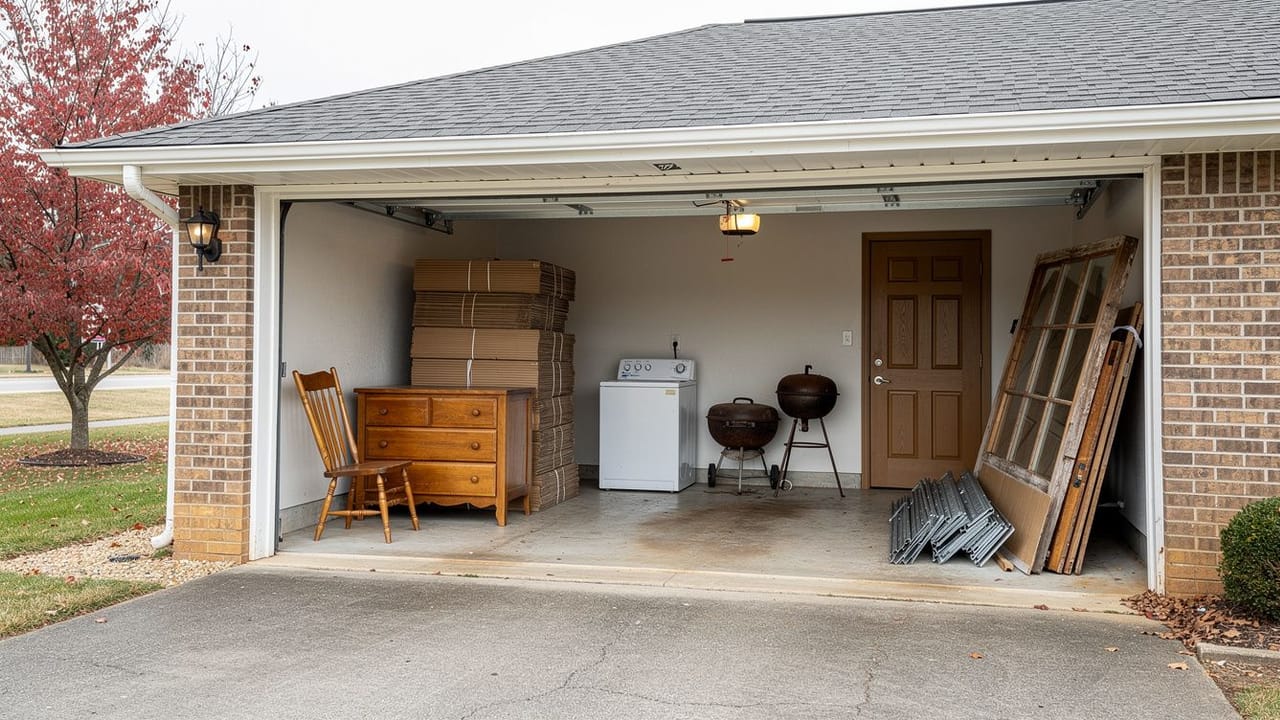
Each organization sets its own list, and those lists change, so the reliable answer is the one on its website or from a phone call. Metro’s own bulky item page asks residents to consider donating furniture through secondhand stores or online marketplaces before it goes to the landfill. Sound furniture, working appliances, tools and clean household goods are where to start the conversation.
Upholstered pieces, mattresses, baby gear such as cribs and car seats, and anything that needs repair are the items we would ask about by name before loading them. When we clear a house, our donation and recycling service sets those aside until the answer is in.
The honest test
Would you buy it in that condition? If not, it belongs on the disposal or recycling side, because a charity that cannot sell it has to pay to get rid of it.
Stained upholstery and broken frames go to disposal however good the intention. Electronics that no longer work are a separate case: Metro’s electronic waste page says electronic waste is not allowed in waste containers and should be recycled.
- Start with sound furniture, working appliances, tools and clean household goods
- Ask first about upholstery, mattresses, baby gear and anything broken
- Check each charity’s current list before you load
- Book any pickup early
- Metal and electronics have their own recycling routes
Recycling routes
Davidson County residents can drop off one bulk scrap metal item, or up to three bags of scrap metal, at no charge at a Metro convenience center, and the bulky item page lists refrigerators, washers and dryers, ovens and ranges, and dishwashers among them. Electronics go free to the East, Ezell Pike and Omohundro centers, up to 100 pounds a day and one computer system a month, with Davidson County identification. Before a computer or phone leaves the house, the EPA’s electronics donation page says to delete all personal information from it.
Mattresses and box springs are their own line. Metro’s convenience center fee table charged $12 for each one at East, Ezell and Omohundro when we checked in October 2026, with a limit of four a month. Cardboard and packaging follow Metro’s Recycle Right rules: clean, empty and dry, cardboard flattened, no plastic bags or bubble wrap, and glass only at the drop-off sites.
Building materials in good condition have a route people forget. The EPA’s guide to reusing construction materials says reuse centers mainly offer doors, windows, cabinets, plumbing fixtures and lumber, and names hardwood flooring, multi-paned windows and architectural moldings among the materials with resale value. The broken-up remainder of a remodel is a different job, covered on our construction debris page.
In what order should donating, recycling and disposal happen?
Donations and recycling first, disposal last. A load is priced by how much of the truck it fills, as our post on junk removal pricing explains, so every piece that leaves by another route first is space you are not paying for.
Charity pickups can book up, so call them at the start rather than leaving it to the end. Once the donations and recycling are spoken for, get a free estimate from us on whatever is left.
Sources
- US EPA, Recycling Basics and Benefits — Products should only be recycled if they cannot be reduced or reused; the waste management hierarchy
- Metro Nashville Waste Services, Bulky Item Collection — Consider donating furniture before landfill; one bulk scrap metal item or three bags free, including refrigerators, washers, dryers, ovens and dishwashers
- Metro Nashville Waste Services, Electronic Waste Recycling — Electronic waste not allowed in waste containers; free at East, Ezell Pike and Omohundro, 100 pounds a day, one computer system a month, Davidson County ID
- US EPA, Electronics Donation and Recycling — Delete all personal information before donating or recycling electronics
- Metro Nashville Waste Services, Convenience Centers — Mattresses and box springs $12 each at East, Ezell and Omohundro, four a month (checked October 2026)
- Metro Nashville Waste Services, Recycle Right — Recyclables clean, empty and dry; cardboard flattened; no plastic bags or bubble wrap; glass at drop-off sites only
- US EPA, Best Practices for Reducing, Reusing and Recycling Construction and Demolition Materials — Reuse centers mainly offer doors, windows, cabinets, plumbing fixtures and lumber; high-resale salvaged materials
FAQ
Donate, Recycle or Dispose: Where It Goes — questions
Will charities take used mattresses?
Ask the organization before you haul one over, because each charity sets its own policy. If the answer is no, Metro Nashville’s East, Ezell Pike and Omohundro convenience centers take mattresses and box springs for a fee, which Metro’s fee table listed as $12 each, up to four a month, in October 2026. Factor that fee in from the start.
How do I know if something is donatable?
Ask whether you would buy it in that condition. If the answer is no, it belongs in the disposal or recycling pile, since handing it over only gives the charity something to throw away. Check the organization’s own list too, because what one takes another may not.
What can I do with old building materials?
Take the usable pieces to a reuse center. The EPA describes reuse centers as mainly offering doors, windows, cabinets, plumbing fixtures and lumber, so materials in good condition from a renovation have somewhere to go, and every piece that goes there is one less thing in the disposal load.
Who will accept furniture donations?
Secondhand stores and charities, along with buyers on online marketplaces, which is where Metro’s bulky item page suggests furniture go before the landfill. Each organization sets its own list and changes it, so call or check its website first, and ask by name about upholstered pieces, mattresses, cribs, car seats and anything that needs repair.